
When Gillian Stopped Eating And How Internal Medicine Helped Her Turn a Corner
A quiet loss of appetite. A complex medical history. And the advanced care that helped bring her back.
Gillian Wasn’t Acting Like Herself And Her Family Knew Something Was Wrong
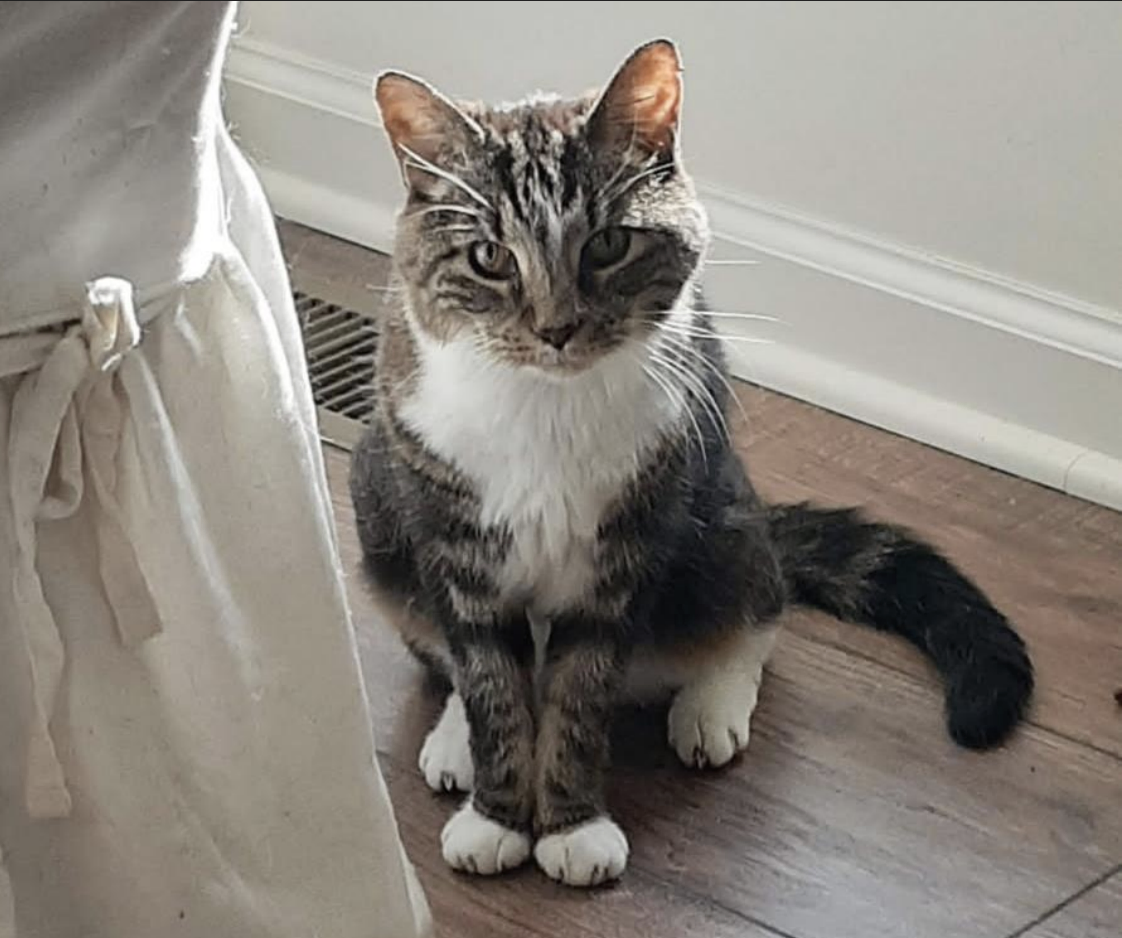
Gillian, a sweet cat with a history of chronic kidney disease, began to slow down in a way that felt different. She became lethargic and stopped eating, and her family could tell something wasn’t right.
They brought her to Pinnacle’s Emergency Service, where our team stepped in right away to help. The ER team was very concerned that Gillian had not eaten in days. We placed an IV catheter, started fluids, and ran diagnostics to get a clearer picture of what was going on.
Bloodwork showed mild abnormalities, and an ultrasound revealed chronic kidney disease along with significant changes in her gastrointestinal tract. Gillian’s loss of appetite was very alarming to our staff. In cats, not eating is a medical concern that can escalate quickly, so it’s critical to seek veterinary care as soon as possible. Delaying treatment can put the patient at real risk.
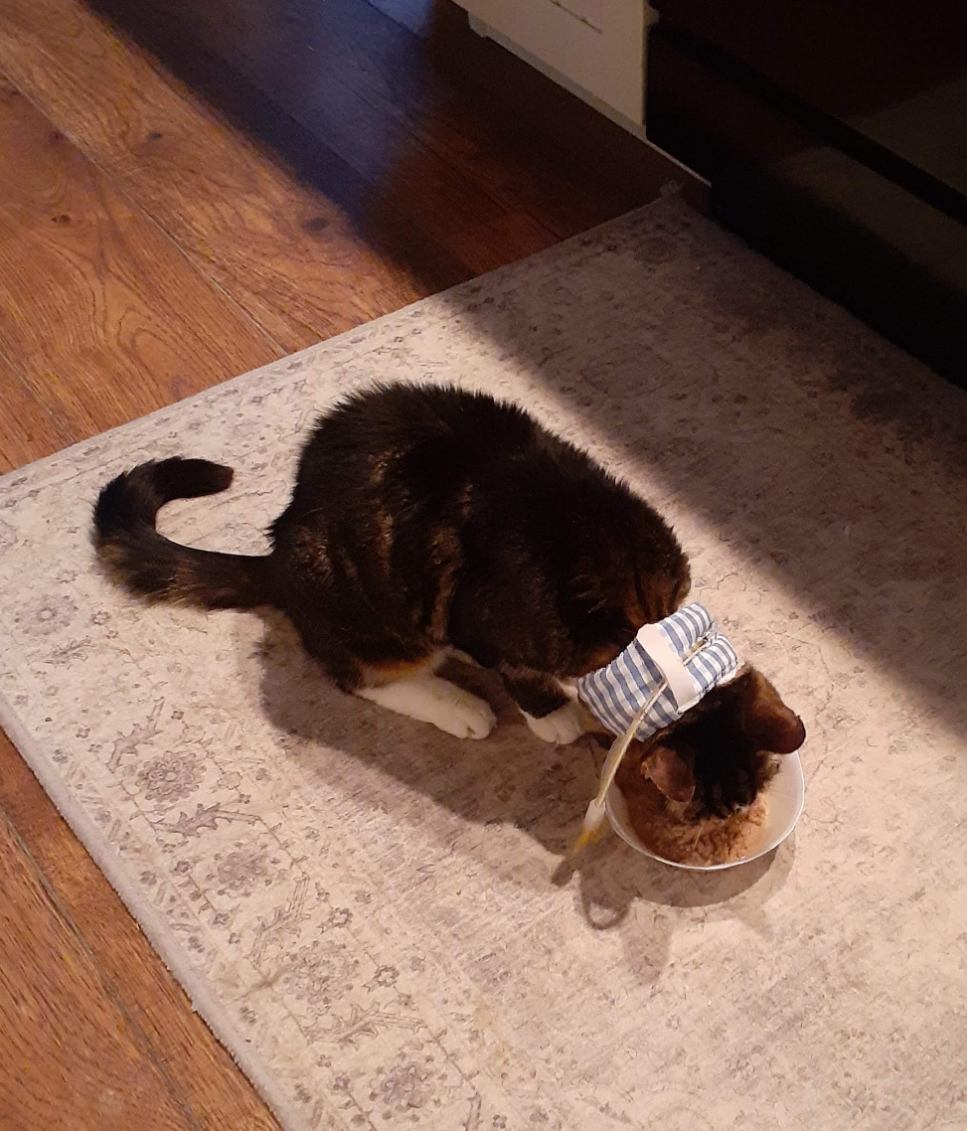
The next day, Gillian’s care was transferred to Internal Medicine. After a thorough discussion with her owner, we moved forward with advanced diagnostics. Gillian underwent a gastroduodenoscopy to evaluate her GI tract and collect biopsies, and we placed a feeding tube to support her nutrition, hydration and for administration of medications. The feeding tube can also help protect her from complications related to poor food intake.
During her hospital stay, Gillian received IV fluids, electrolyte support, and medications to help stabilize her. Our technician team kept a close eye on her vitals and continued to monitor her blood work. Biopsy results confirmed chronic inflammatory enteropathy (CIE).
After going home, Gillian returned two weeks later breathing heavily with recurrent lethargy. Testing showed she had developed anemia, likely related to her kidney disease. She was admitted and received a red blood cell transfusion, responding well with improved energy and strength.
Once stable, Gillian returned home again with her feeding tube. With time, patience, and support from her family, she began eating on her own. As her appetite improved, her feeding tube was no longer needed.
Today, Gillian continues to be followed by our Internal Medicine team, with regular monitoring of her kidney and and gastrointestinal health. What began as a worrying change turned into a complex journey, but with steady care and close follow-up, she’s back to enjoying life at home.
Looking for answers to ongoing health concerns? Call us anytime at .
Have questions about Internal Medicine? Call us anytime at (610) 477-8797.
Clinical Case Details
Case File: Chronic Inflammatory Enteropathy with Chronic Kidney Disease – “Gillian”
Patient: “Gillian” — Adult feline with known chronic kidney disease
Presentation: Lethargy and inappetence
Clinical Findings
- Mild liver enzyme elevation
- Borderline low albumin
- Ultrasound: chronic kidney disease, GI changes
- Biopsy: Chronic Inflammatory Enteropathy (CIE)
Treatment Protocol
- IV fluid therapy and electrolyte support
- Gastroduodenoscopy with biopsy
- Esophageal feeding tube placement
- Nutritional support and medication administration
- Red blood cell transfusion for anemia
- Ongoing Internal Medicine management
Outcome
- Improved appetite and energy
- Resolution of anemia following transfusion and long-term medication
- Successful transition off feeding tube
- Continued long-term monitoring for kidney disease
Clinical Takeaway: Cats with chronic conditions can show subtle changes that signal more complex underlying disease. Early diagnostics, nutritional support, and coordinated care across services can make a meaningful difference in both stability and long-term quality of life.
Want to refer a Internal Medicine case?
Refer online or call us at (610) 477-8797.
Gillian’s Recovery Journey
Day 1
Presented for lethargy and not eating; stabilization and diagnostics initiated
Day 2
Transferred to Internal Medicine; endoscopy and feeding tube placement
Hospital Stay
Biopsy confirms CIE; supportive care continues
Discharge
Sent home with feeding tube and care instructions
Two Weeks Later
Recheck reveals anemia; emergency stabilization and transfusion
Following Weeks
Improvement in energy and appetite
Ongoing
Feeding tube removed; continues with routine monitoring and care
Why Choose Pinnacle?
When a case involves multiple conditions and changing symptoms, clear communication and coordinated care matter. At Pinnacle Veterinary Specialists, our Emergency and Internal medicine teams work together to evaluate the full picture, adjust treatment as needed, and support each patient through every phase of care.
Gillian’s story reflects what is possible with attentive monitoring, advanced diagnostics, and a plan that evolves alongside the patient.
Advanced Care. 24/7 Monitoring. Emergency-Ready.
Have a Critical Case? We’re Always Ready.