
Signs of a Broken Leg in Your Dog
A broken leg in dogs often happens in a split second, yet the signs linger long after the moment passes. One minute your dog runs, jumps, or plays, and the next, they hold up a limb, cry out, or refuse to move. A fracture, or broken bone, in a dog’s leg disrupts normal structure and function, causing pain, instability, and difficulty bearing weight. Recognizing the signs of a broken leg in dogs quickly allows you to respond in a calm, informed way and seek timely veterinary evaluation.
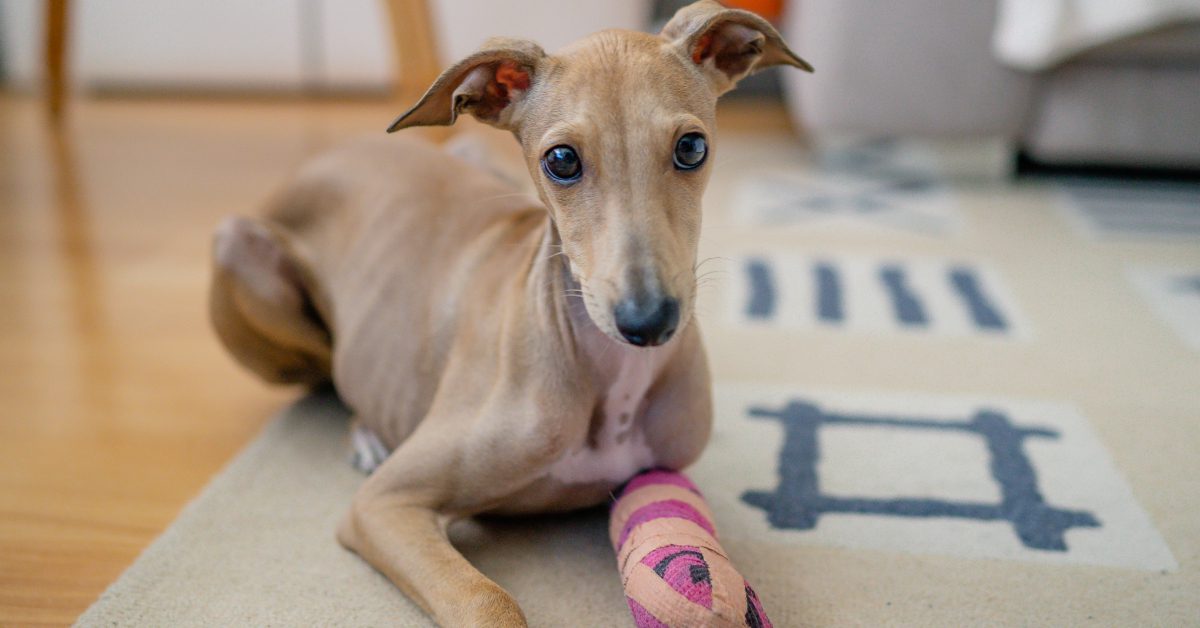
What Are the Common Signs of a Broken Leg in Dogs?
A broken leg in dogs rarely looks subtle. Most dogs show clear physical and behavioral changes because fractures hurt and limit normal movement. You may notice your dog suddenly refusing to put weight on one leg, even if they seemed fine earlier in the day. Some dogs try to limp at first and then stop using the limb altogether. Others become anxious, vocal, or unusually quiet because pain affects each dog differently.
Watch for these common signs of a broken leg in dogs:
- Sudden lameness or complete inability to bear weight
- Swelling around a limb or joint
- Visible deformity, such as an odd angle or twisted appearance
- Whining, yelping, or signs of distress when the leg moves
- Reluctance to walk, jump, or climb stairs
- Excessive licking at one area of the leg
These signs can also occur with severe sprains or joint injuries, so you cannot confirm a fracture at home. We rely on physical exams and imaging to determine whether the issue involves a true broken bone, a ligament injury, or another orthopedic problem. If your dog shows any of these signs, call (610) 477-8797 so our team can guide you on next steps.
Visible vs. Hidden Fractures
Some broken leg injuries in dogs are obvious, while others remain hidden beneath the skin. An open fracture, where bone may be exposed through a wound, requires immediate veterinary attention because of pain and infection risk. Closed fractures stay under the skin and may only show swelling and lameness. Dogs with closed fractures still experience significant pain, even if you do not see an open wound. X-rays help us identify the location and type of fracture so we can plan appropriate care.
What Should You Do If You Suspect a Broken Leg in Dogs?
Your first goal is to keep your dog calm and prevent further movement. Extra activity can worsen pain or shift broken bone segments. Speak in a soft, steady voice and move slowly around your dog. Avoid manipulating the leg or trying to “check” how bad it feels, since this can increase discomfort.
Focus on these general steps:
- Restrict movement by keeping your dog in a small, quiet space
- Use a crate, carrier, or sturdy box for transport if possible
- Support the body when lifting, keeping the injured limb as still as you can
- Prevent jumping, running, or stair use
These actions reduce the risk of additional injury during transport. We assess pain, stability, and overall condition once your dog arrives. If your dog appears weak, disoriented, or has trouble breathing along with a suspected broken leg, treat the situation as urgent and call us right away.
How Long Does a Broken Leg Take to Heal in Dogs?
Healing time for a broken leg in dogs depends on the type of fracture, your dog’s age, overall health, and how well they rest during recovery. In general, bone healing often takes several weeks to months, and some cases require a longer period of restricted activity. Puppies and young dogs sometimes heal faster because their bones grow and remodel more actively. Older dogs or those with complex fractures may need more time and closer monitoring.
We look at several factors when discussing healing expectations:
- Location of the fracture, such as the femur, tibia, or radius
- Whether the break is simple or involves multiple bone fragments
- Stability of the fracture after treatment
- Concurrent injuries, such as ligament damage, soft tissue trauma, or internal injuries that occurred during the same accident
- Your dog’s ability to remain calm and limit activity at home
Bone healing does not happen in isolation. Muscles, tendons, and joints around the injury also need time to recover. That is why we often emphasize controlled rest and gradual return to activity. Regular rechecks help us confirm that healing progresses as expected.
Why Activity Restriction Matters
Dogs rarely understand that a broken leg needs time to mend. They may try to run or jump as soon as pain decreases, which can interfere with healing. Limiting activity protects the repair and reduces the chance of complications. Short leash walks, crate rest, and close supervision all play a role in a smooth recovery process.
How Do We Diagnose a Broken Leg in Dogs?
We begin with a thorough physical exam and a detailed history of what happened. You might tell us your dog fell from furniture, got stepped on, or was involved in a more serious accident. We gently assess the limb, looking for swelling, pain, and abnormal motion. Even during this step, we handle the area carefully to avoid causing additional discomfort.
Imaging, usually X-rays, allows us to see the bone structure and confirm a fracture. These images show the exact location and pattern of the break. From there, we discuss the condition, overall stability, and what to expect in terms of recovery and follow-up care. Clear communication helps you feel prepared for the road ahead.
Long-Term Outlook for Dogs With Leg Fractures
Many dogs with a broken leg return to normal activity with appropriate care and time. The outlook depends on the severity of the fracture, the presence of concurrent injuries, and how well your dog tolerates rest and follow-up visits. Consistency at home makes a real difference. Dogs that remain calm and follow activity restrictions often experience smoother recoveries.
Keep an eye on your dog’s comfort level, appetite, and willingness to use the limb as healing progresses. Report any sudden setbacks, increased limping, or new swelling. These changes can signal that the leg needs reassessment. We partner with you through the entire process, from diagnosis to recovery milestones.
When a Limp Turns Into an Emergency
A limp may look minor at first, yet a broken leg in dogs can hide behind what seems like a simple injury. Acting early protects your dog from prolonged pain and potential complications. If your dog suddenly refuses to use a leg, shows swelling, or acts unusually quiet or distressed, let us take a closer look. Call (610) 477-8797 to connect with our team at Pinnacle Veterinary Specialists. Quick attention gives your dog the best chance to move comfortably again.
About Us
Pinnacle Veterinary Specialists is a specialty and 24/7 emergency veterinary practice delivering cutting-edge medicine with a warm, personalized touch. We partner with your primary care vet to ensure the best treatment for your pet, and a seamless experience for you. When advanced and/or specialized veterinary services are required, our highly capable team stands ready to support you. Call (610) 477-8797 if your pet is having a medical problem or emergency.