
Mastitis in Dogs: A Guide for Pet Parents
Mastitis in dogs can begin subtly, with a nursing mother who seems slightly uncomfortable or a litter that suddenly struggles to feed. Pet parents may notice mild behavior changes before they realize something more serious is happening. Mastitis in dogs is an infection and inflammation of one or more mammary glands, most commonly affecting female dogs who are nursing puppies, though it can also occur in false pregnancies or after weaning. This condition can progress quickly and become painful, which is why early recognition matters. We often meet families who feel unsure about what they are seeing, and that uncertainty is completely understandable. Our role is to explain what mastitis in dogs looks like, why it happens, and when it is time to call (610) 477-8797 for veterinary care.
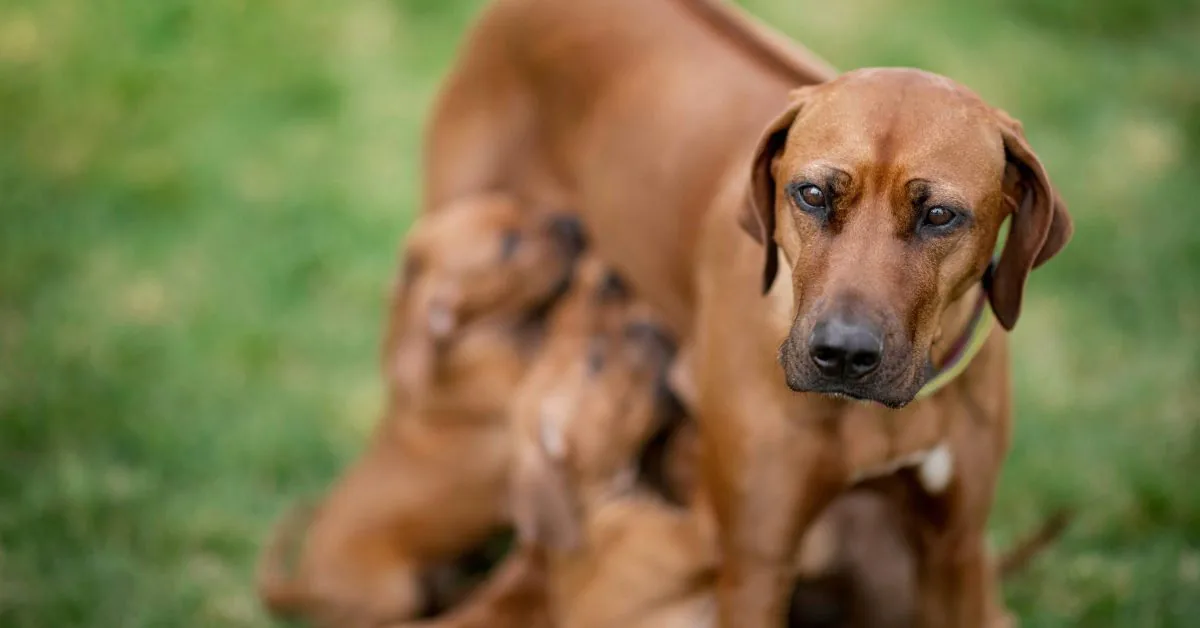
What Is Mastitis in Dogs
Mastitis in dogs refers to inflammation and infection within the mammary glands, which are the milk-producing glands located along a female dog’s abdomen. Bacteria typically enter through small openings in the teat canal or through scratches caused by nursing puppies. Once bacteria gain access, the tissue becomes inflamed, swollen, and painful, and milk flow can change in both appearance and consistency. Some cases of mastitis in dogs remain mild at first, while others can develop into more severe infections that affect the dog’s entire system. When the infection spreads beyond the gland, dogs may show signs of illness such as fever, lethargy, or loss of appetite. Because the mammary tissue is rich in blood supply, infections can move fast, which is why timely veterinary evaluation makes such a difference.
Why Mastitis Develops
Mastitis in dogs most often develops during lactation, but it does not happen randomly. Puppies with sharp teeth or nails can cause tiny skin injuries while nursing, which creates entry points for bacteria. Milk that does not drain well from the glands can also create an environment where bacteria grow more easily. Dogs experiencing a false pregnancy may produce milk without nursing puppies, leading to gland congestion and inflammation. Hygiene plays a role as well, especially if bedding becomes soiled and bacteria have more opportunity to contact the teats. Understanding these contributing factors helps explain why mastitis in dogs can affect even attentive pet parents.
Signs of Mastitis in Dogs
The signs of mastitis in dogs range from subtle to obvious, depending on the severity of the infection. Early on, you might notice that your dog seems reluctant to let puppies nurse or shifts positions frequently to avoid pressure on a certain area. One or more mammary glands may appear red, firm, swollen, or warmer than the surrounding tissue. The milk may look discolored, watery, thick, or even tinged with blood or pus. Some dogs lick the affected area more often, which can signal discomfort or irritation. As mastitis in dogs progresses, general illness can appear, and the dog may act tired, restless, or less interested in food.
Pet parents often describe behavioral changes before they see physical ones. A normally attentive mother may seem withdrawn from her litter or appear irritable when puppies approach. Puppies themselves may cry more often if milk supply decreases or quality changes. Because these changes can happen quickly, it helps to monitor both the mother and the litter closely.
Common signs of mastitis in dogs include:
- Swelling, heat, or redness in one or more mammary glands
- Pain when the area is touched or when puppies try to nurse
- Abnormal milk, including clumps, discoloration, or unusual odor
- Fever, lethargy, or reduced appetite in the mother
- Puppies failing to gain weight or appearing restless during feeding
When you see these signs of mastitis in dogs, it is time to involve a veterinary team. We evaluate both the mother and the puppies to understand the full picture and determine the safest next steps.
How to Treat Mastitis in Dogs
Treatment for mastitis in dogs depends on how advanced the infection is and how the mother is feeling overall. Our goal is to control the infection, reduce inflammation, keep the dog comfortable, and protect the health of the puppies. Veterinary care often includes diagnostic steps such as examining the mammary glands, assessing milk, and checking for signs that the infection has spread. In some cases, imaging or laboratory tests help us better understand the severity. Early care leads to smoother recovery, which is why we encourage families to call (610) 477-8797 when concerns arise.
Veterinary Care and Monitoring
Professional treatment for mastitis in dogs may involve medications that address infection and inflammation, along with supportive care if the dog shows signs of systemic illness. Some dogs can continue nursing under guidance, while others may need temporary separation from their litter if milk quality becomes unsafe. We help families navigate feeding plans for puppies when nursing is interrupted. Close monitoring ensures the glands improve rather than worsen. Follow-up visits allow us to track progress and adjust care as needed.
General Comfort Measures at Home
At home, pet parents play an important role in supporting recovery while staying within veterinary guidance. Gentle hygiene around the mammary area helps keep the skin clean and reduces bacterial exposure. Keeping bedding dry and clean limits contamination and promotes healing. Observing the glands daily allows you to notice changes in swelling, color, or discharge. Ensuring the mother has a quiet, low-stress space also supports overall recovery. These steps do not replace veterinary treatment, but they contribute to a safer healing environment.
When Mastitis Becomes an Emergency
Some cases of mastitis in dogs require urgent care, especially when the infection spreads beyond the gland. Dogs with high fever, vomiting, weakness, or signs of shock need immediate evaluation. Severely infected glands can develop abscesses or tissue damage, which increases pain and risk. Puppies can also be affected if milk supply drops suddenly or if infected milk causes digestive upset. Prompt action protects both the mother and her litter. If your dog seems rapidly worse, calling right away allows us to prepare for urgent assessment.
Protecting Nursing Dogs Moving Forward
After recovery, prevention focuses on reducing risk factors that contribute to mastitis in dogs. Regularly checking mammary glands during nursing allows early detection of changes. Trimming puppies’ nails carefully reduces skin scratches that can introduce bacteria. Maintaining a clean whelping area lowers bacterial load and keeps the environment healthier. Monitoring milk flow and ensuring puppies nurse evenly from different glands also supports normal drainage. These proactive steps help pet parents feel more confident during future litters.
When Something Feels Off, Trust Your Instincts
Mastitis in dogs can move from mild discomfort to serious infection in a short time, and early action makes a meaningful difference. If your nursing dog seems uncomfortable, develops gland swelling, or shows signs of illness, reach out for veterinary guidance. You do not have to sort through these concerns alone. Our team at Pinnacle Veterinary Specialists takes time to evaluate the situation, explain what is happening, and outline safe next steps. Calling (610) 477-8797 connects you with a team ready to assess both mom and puppies with care and attention. Prompt communication leads to better outcomes and greater peace of mind for everyone involved.
About Us
Pinnacle Veterinary Specialists is a specialty and 24/7 emergency veterinary practice delivering cutting-edge medicine with a warm, personalized touch. We partner with your primary care vet to ensure the best treatment for your pet, and a seamless experience for you. When advanced and/or specialized veterinary services are required, our highly capable team stands ready to support you. Call (610) 477-8797 if your pet is having a medical problem or emergency.