
Xylitol Poisoning in Dogs
A dog snags a stick of gum off the counter, and within minutes something feels off — that is how xylitol poisoning in dogs often begins. Xylitol is a common sugar substitute found in everyday products, yet dogs process it very differently than people do. What tastes harmless to us can trigger a rapid medical emergency for them. We see how quickly situations like this unfold at Pinnacle Veterinary Specialists, and we want pet owners to understand why immediate action matters. When a dog eats something containing xylitol, the body can react with dangerous changes in blood sugar and liver function. Knowing the risks, timeline, and warning signs can help you act without delay.
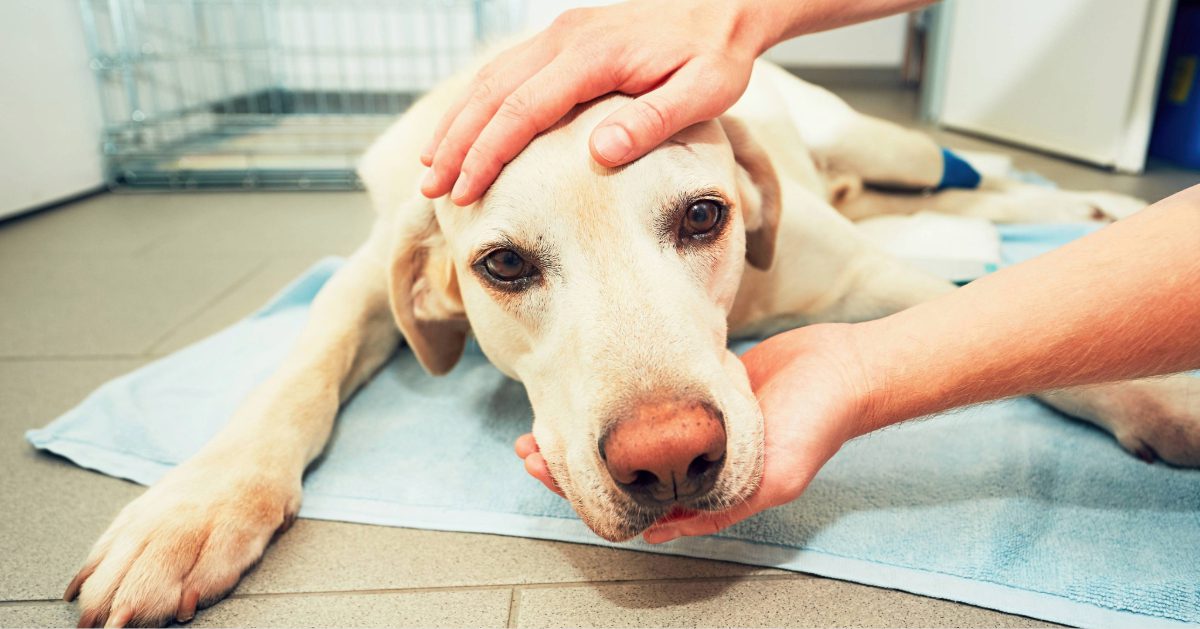
Xylitol Poisoning in Dogs Timeline
Xylitol poisoning in dogs often progresses in stages, and early changes may appear before owners realize what happened. The timeline depends on the amount ingested, the dog’s size, and whether the product contains pure xylitol or a blend of sweeteners. Some reactions begin within 10–30 minutes, which makes this one of the faster-moving toxin exposures we treat. Other complications, especially those involving the liver, can develop hours later. Understanding this progression helps explain why veterinary care should never wait.
Early Phase: Rapid Blood Sugar Drop
In dogs, xylitol triggers a strong insulin release from the pancreas. That insulin surge causes blood sugar to fall quickly, a condition called hypoglycemia. Signs can appear in less than half an hour. Dogs may seem wobbly, weak, or unusually sleepy. Some become restless or confused, which pet owners often describe as their dog “acting weird” or “not themselves.” This stage can escalate to tremors or collapse if blood sugar drops too low.
Intermediate Phase: Neurologic Changes
As low blood sugar persists, the brain does not receive enough fuel. Dogs may experience disorientation, poor coordination, or seizures. This stage can develop rapidly if early signs go unrecognized. Even if a dog seems to improve briefly, blood sugar may drop again. That unpredictability makes monitoring in a veterinary setting so important. We use diagnostics and supportive care to stabilize patients during this period.
Delayed Phase: Liver Injury Risk
Some dogs that ingest larger amounts develop liver damage several hours after exposure. This phase does not affect every patient, yet when it occurs, it can be severe. Vomiting, lethargy, and changes in appetite may appear. Bloodwork often reveals abnormalities that were not present early on. Because liver injury can develop after the initial hypoglycemia phase, continued monitoring plays a key role in treatment.
Symptoms of Xylitol Poisoning in Dogs
Symptoms of xylitol poisoning in dogs can vary, yet most relate to low blood sugar or liver stress. Early recognition helps reduce complications. Pet owners sometimes mistake mild signs for simple fatigue or stomach upset, which delays care. If you suspect exposure, treat any unusual behavior as urgent. We recommend calling (610) 477-8797 right away if ingestion may have occurred.
Common warning signs include:
- Sudden weakness or difficulty standing
- Vomiting shortly after eating something new
- Tremors or muscle twitching
- Disorientation or unusual behavior
- Seizures or collapse
- Pale gums or extreme lethargy
These signs can appear in combination, and they may shift quickly. A dog may vomit once and then seem quiet, only to worsen later. That unpredictability makes professional evaluation essential.
Where Xylitol Hides in the Home
Many owners are surprised to learn how often xylitol poisoning in dogs starts with everyday items. Products marketed as “sugar-free” or “low-carb” frequently contain this sweetener. Labels sometimes list it under different terms, which adds confusion. Even small amounts can pose risk depending on the dog’s size. Keeping these products out of reach prevents many emergencies.
Items that commonly contain xylitol include:
- Sugar-free gum and mints
- Baked goods labeled “sugar-free”
- Peanut butter or nut butters made for low-carb diets
- Oral care products like toothpaste or mouth rinse
- Certain vitamins, supplements, and medications
- Some nasal sprays or throat lozenges
We encourage checking ingredient labels before sharing any human food. What seems like a harmless treat can become a serious toxin exposure.
What To Do If You Suspect Exposure
Quick action can change outcomes. If you see your dog eat something with xylitol, or you notice missing gum or candy, contact a veterinary professional immediately. Time matters more than waiting to see if symptoms develop. We can assess risk based on the product and amount consumed. Bring the packaging if possible, since ingredient lists help guide care decisions.
At home, you can:
- Remove any remaining product from your dog’s reach
- Note the time you think ingestion happened
- Observe behavior changes closely
We do not recommend home treatments unless a veterinarian specifically instructs you. Some methods that work for other toxins may not be appropriate here. Prompt veterinary evaluation remains the safest course.
How Veterinary Teams Manage Xylitol Poisoning
When dogs arrive after suspected xylitol exposure, we focus on stabilization and monitoring. We assess blood sugar, liver values, and overall condition. Early intervention often involves supportive care to maintain normal glucose levels. Ongoing monitoring helps us catch delayed complications. Each patient receives an individualized plan based on exposure history and clinical signs.
Monitoring and Supportive Care
We monitor blood glucose closely, sometimes over many hours. Intravenous fluids support circulation and organ function. Bloodwork helps us track changes in liver enzymes and clotting ability. We watch for neurologic signs and respond if they develop. Continuous assessment allows adjustments in care as the situation evolves.
Why Early Treatment Improves Outcomes
Dogs treated soon after exposure generally have better outcomes than those seen later. Early care helps prevent severe hypoglycemia and may reduce liver complications. Delays increase the risk of seizures, collapse, and more complex treatment needs. Acting quickly supports a smoother recovery path.
Long-Term Outlook After Xylitol Poisoning in Dogs
Prognosis depends on how much xylitol the dog consumed and how soon treatment began. Many dogs recover well with prompt care and monitoring. Those who develop liver injury may need longer hospitalization and follow-up testing. We discuss individualized expectations with each family based on their pet’s response. Early intervention always gives us more tools to protect health.
Stories like Beau’s case show how fast events can unfold and how veterinary care makes a difference. Learning from real experiences helps pet owners recognize urgency sooner. We encourage reviewing educational resources and staying alert to hidden toxin risks in the home.
Sweetener Safety: Protecting Dogs from Hidden Dangers
Xylitol poisoning in dogs remains one of the fastest-moving toxin emergencies we see. Awareness, label reading, and safe storage of human foods and products reduce risk significantly. If exposure happens, rapid action matters more than waiting for symptoms. Call (610) 477-8797 right away so our team at Pinnacle Veterinary Specialists can guide next steps. Fast communication allows us to assess urgency and prepare for care. Staying informed today helps protect your dog tomorrow.
About Us
Pinnacle Veterinary Specialists is a specialty and 24/7 emergency veterinary practice delivering cutting-edge medicine with a warm, personalized touch. We partner with your primary care vet to ensure the best treatment for your pet, and a seamless experience for you. When advanced and/or specialized veterinary services are required, our highly capable team stands ready to support you. Call (610) 477-8797 if your pet is having a medical problem or emergency.